LITHIUM BATTERY MAKING MACHINE, LITHIUM-ION BATTERY MACHINERY, LITHIUM BATTERY MACHINE FULL PLANT About
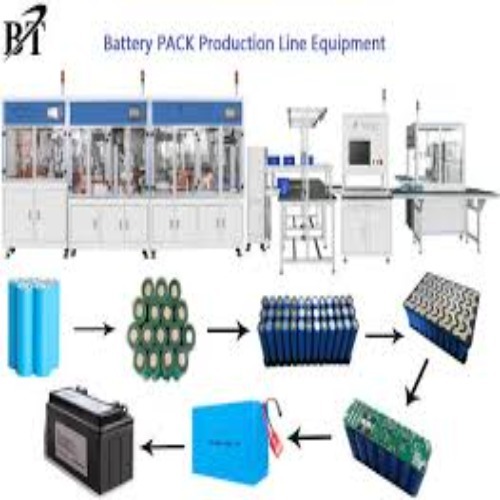
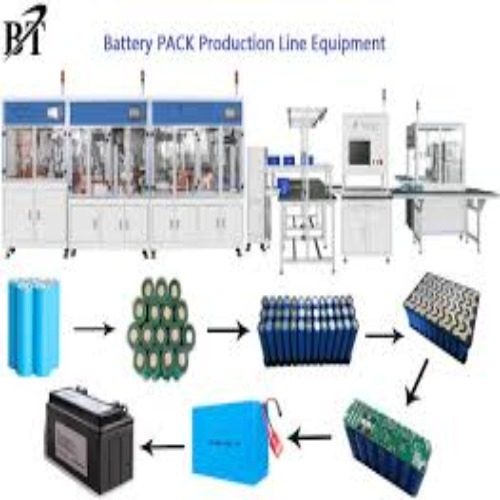
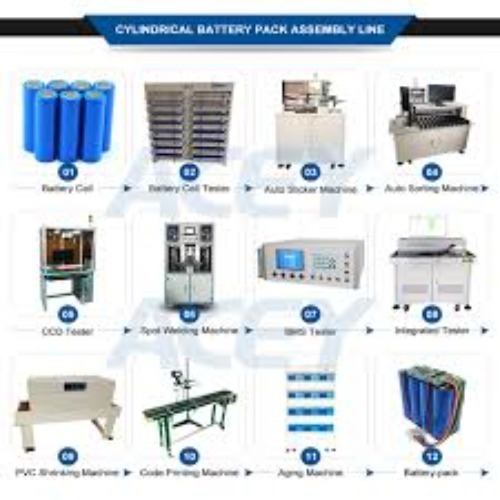
Lithium-ion battery making machine full set-up cylindrical cell lithium battery making machine, cylindrical cell lithium battery making machine lithium battery testing machine
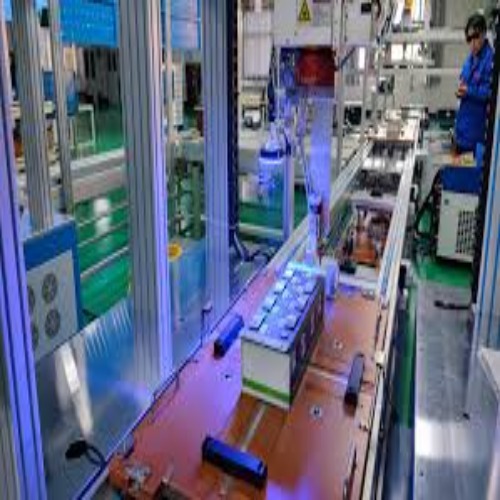
Advanced Process AutomationOur lithium battery manufacturing plants utilize either fully automatic or semi-automatic automation, allowing precise control over every stage: from mixing and coating to assembly, formation, and final testing. The automated PLC/HMI systems streamline operation, improve consistency, and minimize errors, ensuring reliable, high-throughput production for every requirement.
Superior Cleanroom IntegrationThese machines are engineered to meet rigorous cleanroom standards, with modular HEPA filtration achieving 99.99% efficiency. Cleanroom compatibility from Class 100,000 or better provides optimal environments for sensitive lithium-ion cell manufacturing, reducing contamination risk and supporting long battery shelf life.
Safety and Reliability FirstIntegrated sensors, emergency stop functions, and real-time monitoring ensure maximum safety for operators and equipment. The enclosed dust-proof construction, low noise level, and intelligent control systems contribute to reliable everyday operations, ease of maintenance, and long service intervals.
Customizable Capacity and Form FactorWith adjustable configurations supporting 2,000-50,000 cells per shift and cell capacities between 500 mAh and 10,000 mAh, our machinery adapts to your production goals. Flexible terminal types, plant sizes, and material choices ensure the solution aligns with your battery specifications and application needs.
FAQ's of LITHIUM BATTERY MAKING MACHINE, LITHIUM-ION BATTERY MACHINERY, LITHIUM BATTERY MACHINE FULL PLANT:
Q: How does the automation level affect lithium battery production efficiency?
A: The choice between fully automatic and semi-automatic plants impacts labor requirements, consistency, and production speed. Fully automatic systems deliver higher throughput with minimal manual intervention, reducing errors and ensuring consistent product quality, while semi-automatic options offer flexibility for diverse operational scales.
Q: What is the complete process sequence in this lithium battery making machine?
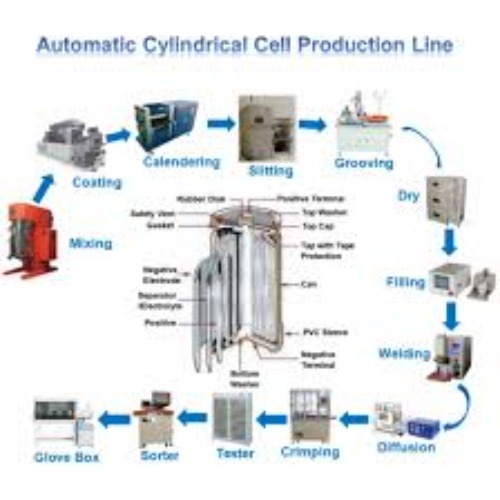
A: The process includes raw material mixing, electrode coating, slitting, calendaring, cell stacking or winding, module assembly, formation, and comprehensive testing. Each stage is controlled via PLC/HMI panels, ensuring precise manufacturing and high cell quality.
Q: When should cleanroom modules be considered for battery manufacturing?
A: Cleanroom modules are recommended whenever high-purity environments are critical, such as in lithium-ion cell production. Our machines offer Class 100,000 or better compatibility with integrated 99.99% HEPA filtration to reduce contamination, optimize yields, and extend battery shelf life.
Q: Where can this lithium battery plant be installed?
A: The plant is suitable for installation across base facilities in India and globally, thanks to customizable sizing, adaptable power combinations (380V/50Hz/3-phase standard), and modular design, which fits various spatial and production demands.
Q: What types of lithium batteries can this machine manufacture?
A: This system produces a wide range of lithium and lithium-ion batteries, supporting cell voltages of 3.7V and capacities from 500 mAh to 10,000 mAh. It also accommodates multiple form factors, making it ideal for EVs, energy storage systems, consumer electronics, and industrial applications.
Q: How is operator safety ensured during plant operation?
A: Operator safety is prioritized with integrated sensors, emergency stop functions, real-time monitoring, and enclosed dust-proof, low-noise construction. These features reduce risk and create a safe, productive working environment.
Q: What materials and maintenance features are incorporated into the plant design?
A: Manufactured from high-grade alloy steel, industrial aluminium, and corrosion-resistant materials, the plant structure is robust and low maintenance. The modular design allows for easy access to service points, minimizing downtime and maintenance efforts.
 Send Inquiry





 Send Inquiry